
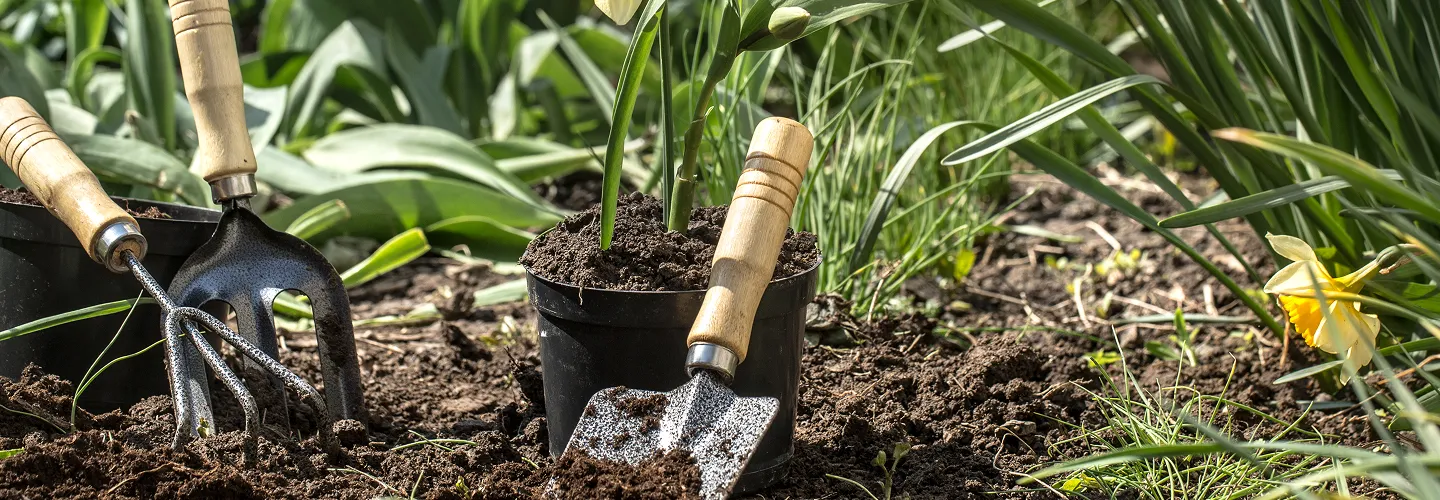
Gateway Mulching Services
Choose our mulching services for healthier soil, improved moisture retention, and a polished look that elevates your entire property—experience the difference of expert care and premium materials.
Get a Free QuoteOur Gateway Landscaping & Yard Care Services
When to Schedule Mulching in Gateway, Florida – Seasonal Guide
In Gateway, Florida, timing your mulching service is essential for maintaining healthy, vibrant landscapes throughout the year. The best periods for mulching are typically late winter to early spring, just after the last frost date, and again in early fall. These windows align with Gateway’s subtropical climate, allowing mulch to protect roots from temperature swings and retain soil moisture before the onset of summer heat or winter chill. Neighborhoods like Stoneybrook and Cypress Pointe, with their mix of shaded lots and open lawns, benefit from tailored mulching schedules that account for local microclimates and soil conditions.
Gateway’s unique environmental factors—such as high humidity, sandy soils, and occasional drought risk—play a significant role in determining the optimal mulching schedule. Properties near the Gateway Commons or along Griffin Drive may experience different sun exposure and drainage patterns, making it important to assess each site individually. For more information on local landscaping guidelines, visit the official municipal resource.
Local Factors to Consider for Mulching in Gateway
- Tree density and shade coverage
- Soil type (sandy, loamy, or clay)
- Seasonal precipitation and drought risk
- Proximity to water features or wetlands
- Municipal restrictions or HOA guidelines
- Terrain and slope of the property
- Recent landscaping or construction activity
Benefits of Mulching in Gateway
Enhanced Soil Moisture Retention
Weed Growth Suppression
Improved Curb Appeal
Temperature Regulation for Plants
Reduced Soil Erosion
Nutrient-Rich Soil Enrichment
Gateway Mulching Types

Organic Mulch
-
Inorganic Mulch
-
Wood Chip Mulch
-
Bark Mulch
-
Rubber Mulch
-
Compost Mulch
-
Gravel Mulch
Our Mulching Process
Site Preparation
Weed Removal
Mulch Selection
Mulch Application
Final Inspection
Why Choose Gateway Landscape Services
-
Gateway Homeowners Trust Us
-
Expert Lawn Maintenance
-
Reliable Scheduling
-
Competitive Pricing
-
Professional Team
-
Satisfaction Guarantee
-
Personalized Service
Coordinating Mulching Projects with Gateway's District Public Works and Parks Departments
Mulching on residential and commercial properties in Gateway, FL, requires awareness of how the Gateway Services District manages stormwater infrastructure, public landscaping standards, and vegetative debris. Property owners and managers should coordinate with district departments before large-scale mulching projects, particularly when work occurs near swales, retention ponds, or stormwater inlets maintained by the district. Loose mulch material that migrates into drainage conveyances can obstruct flow and degrade water quality in Gateway's interconnected stormwater system.
- Confirm that mulch installation areas do not encroach on district-maintained swales, drainage easements, or right-of-way corridors
- Avoid stockpiling bulk mulch deliveries near curb inlets, canal banks, or retention pond edges
- Coordinate with Parks and Recreation regarding mulching standards for properties adjacent to district park land or trail corridors
- Contact Public Works for guidance on disposing of old mulch or displaced organic debris through approved vegetative waste channels
Gateway Services District – Public Works
Official Website: Gateway FL Public Works
Gateway Services District – Parks & Recreation
Official Website: Gateway FL Parks & Recreation
How Gateway's Sandy Soils and Subtropical Heat Influence Mulching Effectiveness
Gateway is situated in southwest Florida within USDA Hardiness Zone 10a, characterized by a subtropical climate with intense summer heat, high humidity, and a pronounced wet season from June through October. These conditions directly affect mulch performance and material selection. The area's predominant soils are sandy and poorly structured, with limited organic content and rapid drainage. Without a protective mulch layer, exposed soil surfaces lose moisture quickly during the dry season and experience accelerated nutrient leaching during heavy summer rains.
- Moisture retention: Sandy soils in Gateway drain rapidly; a properly maintained mulch layer reduces evaporation from the root zone, which is critical during dry-season months when irrigation demand peaks under South Florida Water Management District restrictions
- Surface temperature moderation: Ambient summer temperatures regularly exceed 90°F, and exposed dark soils or bare sand can reach surface temperatures that damage shallow root systems; mulch buffers this thermal stress
- Erosion and runoff control: Gateway's flat topography and high water table make properties susceptible to sheet-flow runoff during wet-season downpours; mulch reduces soil displacement and helps filter sediment before it reaches swales, retention ponds, and storm drains
- Organic matter contribution: As organic mulches decompose in Gateway's warm, humid environment, they gradually improve the sandy soil's water-holding capacity and microbial activity
Navigating Gateway's Stormwater and Environmental Compliance Rules for Mulching
Mulching itself does not typically require a permit in Gateway, but property owners must ensure that mulch placement complies with stormwater management requirements and does not contribute to water quality violations. The Florida DEP NPDES Stormwater Program governs municipal stormwater discharge, and Gateway's district infrastructure falls within this regulatory framework. Mulch that washes into storm drains, canals, or retention basins can introduce excess organic matter, lower dissolved oxygen levels, and trigger nutrient loading in downstream waterways.
- Dyed mulches should be evaluated for chemical content; products with chromated copper arsenate (CCA) from recycled wood are not appropriate near waterways or retention areas
- Mulch depth should not impede the designed flow of swales or alter grading along stormwater conveyances
- Properties adjacent to wetlands, preserves, or canal easements should verify setback and buffer requirements with the district before installing mulch beds in those zones
- The UF/IFAS guidance on protecting Florida's water resources recommends keeping organic materials out of stormwater pathways to prevent nutrient pollution
Gateway Services District – Utilities
Official Website: Gateway FL Utilities
Timing and Methods for Mulching Around Gateway's Wet Season and Heat Cycles
Professional mulching standards in Gateway should account for the region's seasonal extremes. The optimal application windows, material choices, and depth guidelines differ from temperate-climate recommendations due to the area's year-round warmth and heavy summer rainfall.
- Application timing: The most effective mulching windows in Gateway are late spring (April–May) before the wet season begins and late fall (November–December) after heavy rains subside; applying mulch during peak wet-season months risks displacement and accelerated decomposition
- Depth standards: A layer of two to three inches is generally appropriate for landscape beds; exceeding this depth can trap excessive moisture against stems and root crowns, promoting fungal issues in Gateway's humid conditions
- Material selection: Pine bark, melaleuca mulch, and eucalyptus mulch perform well in southwest Florida; cypress mulch should be sourced only from sustainably harvested operations, as noted by UF/IFAS; rubber and stone mulches increase reflected heat and are less suitable around heat-sensitive plantings
- Volcano mulching avoidance: Mulch should never be mounded against tree trunks or shrub bases; maintain a two- to three-inch gap around stems to prevent moisture-related bark decay
- Irrigation coordination: Mulch reduces irrigation frequency by slowing evaporation; property managers should adjust irrigation run times after mulching to avoid overwatering, consistent with EPA WaterSense outdoor guidance
What Neighborhoods Do We Serve Throughout Gateway, FL?
- Gateway proper (master-planned community): This large planned development features extensive common-area landscaping, HOA-maintained beds, and interconnected stormwater retention lakes that require careful mulch placement to prevent organic runoff into shared water features
- Stoneybrook at Gateway: Properties here include mature landscape beds around single-family homes with established irrigation systems; mulch maintenance supports moisture retention in sandy subdivision fill soils
- Gateway Greens: Golf-course-adjacent lots in this area benefit from consistent mulching to reduce irrigation demand and protect ornamental plantings from reflected heat off cart paths and hardscape
- Sabal Creek: Newer construction with developing landscapes; fresh mulch applications help establish root zones in recently graded fill soils with limited organic content
- Reflection Lakes: Waterfront and retention-pond-adjacent properties require particular attention to mulch containment, as displaced material can migrate into managed water bodies during storm events
- Hampton Park at Gateway: Compact lot sizes and dense planting beds make proper mulch depth management essential to avoid moisture buildup and fungal pressure in tightly spaced ornamental areas