
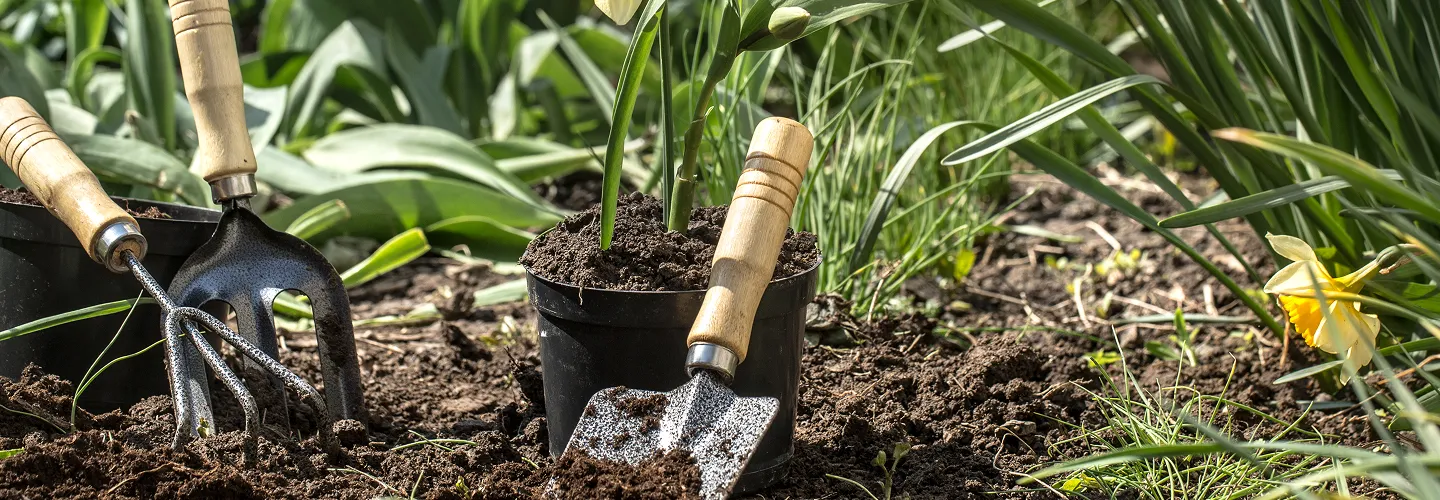
Gateway Green Waste Disposal Services
Choose our Green Waste Disposal for reliable, environmentally responsible service that keeps your property clean and supports a healthier planet. We make it easy to dispose of yard debris and organic waste the right way.
Get a Free QuoteOur Gateway Landscaping & Yard Care Services
When to Schedule Green Waste Disposal in Gateway, Florida – Seasonal Guide
In Gateway, Florida, the timing of green waste disposal is closely tied to our unique subtropical climate and the rhythms of local landscaping needs. With warm, humid summers and mild winters, most homeowners in neighborhoods like Stoneybrook and Cypress Pointe find that late winter through early spring is the optimal window for major yard cleanups. This period, just after the last frost date and before the onset of heavy summer rains, allows for efficient removal of fallen branches, palm fronds, and other organic debris without interfering with new growth or risking soil compaction.
Local environmental factors play a significant role in determining the best schedule for green waste disposal. For example, areas near the Gateway Commons or along the shaded trails of Daniels Preserve may experience higher humidity and denser shade coverage, which can accelerate organic matter breakdown but also increase the risk of mold if waste is left too long. Additionally, Gateway’s sandy soils drain quickly, but drought risk in late spring can make it important to clear debris before it becomes a fire hazard. For more information on local guidelines and municipal restrictions, visit the official resource.
Local Factors to Consider for Green Waste Disposal in Gateway
- Tree density and types (e.g., palms, oaks, pines)
- Proximity to water features or wetlands
- Seasonal precipitation patterns and hurricane season
- Soil type and drainage (sandy vs. clay areas)
- Shade coverage from mature landscaping
- Neighborhood-specific municipal restrictions or collection schedules
- Risk of drought or fire hazards during dry months
Benefits of Green Waste Disposal in Gateway

Eco-Friendly Waste Management
Promotes Healthy Landscapes
Reduces Landfill Usage
Convenient Collection Services
Supports Local Sustainability
Cost-Effective Disposal Solutions
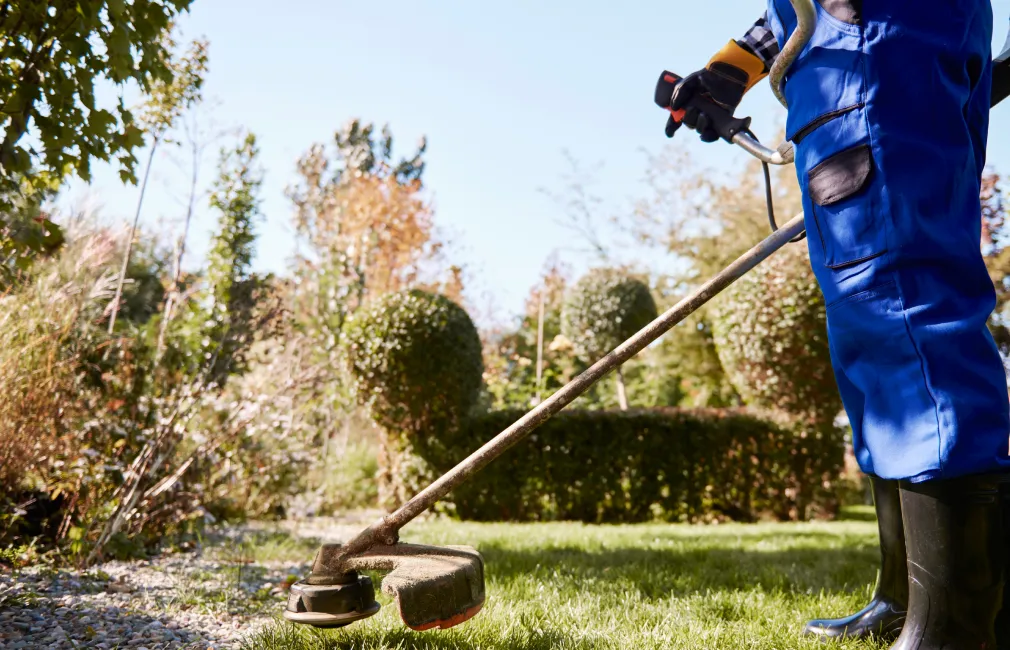
Gateway Green Waste Disposal Types

Grass Clippings
-
Tree Branches
-
Shrub Trimmings
-
Leaves Collection
-
Garden Debris
-
Mulch Disposal
-
Sod and Soil Removal
Our Green Waste Disposal Process
Collection of Green Waste
Sorting and Separation
Transport to Disposal Facility
Eco-Friendly Processing
Why Choose Gateway Landscape Services
-
Gateway Homeowners Trust Us
-
Expert Lawn Maintenance
-
Reliable Scheduling
-
Competitive Pricing
-
Professional Team
-
Satisfaction Guarantee
-
Personalized Service
Coordinating Green Waste Disposal Through Gateway's Public Works and District Services
Gateway is a master-planned community in Lee County governed by a Community Development District (CDD), which means green waste disposal coordination follows district-level infrastructure management rather than a traditional municipal system. The Gateway Services District oversees stormwater systems, roadways, and community maintenance operations that directly affect how vegetative debris is handled within the community. Residents and property managers should verify current curbside collection schedules, accepted material types, and bundling or container requirements through the district's public works division before placing green waste at the curb.
Key coordination steps for green waste disposal in Gateway include:
- Confirming whether yard waste must be separated from household refuse and placed in designated containers or bundles
- Verifying maximum pile dimensions and weight limits for curbside vegetative debris pickup
- Ensuring green waste is not placed over swale inlets, stormwater grates, or within drainage easements
- Contacting the district directly for bulk vegetative debris removal after storm events or large-scale landscape projects
Gateway Services District – Public Works
Official Website: Gateway FL Public Works
Commercial landscape contractors generating green waste on Gateway properties should confirm whether the district's residential collection program covers contractor-generated debris or whether separate hauling to a Lee County transfer facility is required.
How Gateway's Subtropical Climate and Soils Affect Green Waste Volume
Gateway sits within USDA Hardiness Zone 10a in southwest Florida's Gulf Coast subtropical corridor, where year-round warmth and a pronounced wet season from June through October drive aggressive vegetation growth. This climate directly influences the volume and frequency of green waste generated across residential and commercial properties. The area receives approximately 55 inches of rainfall annually, with the heaviest accumulation during summer months, accelerating turf clipping output, palm frond drop, and shrub flush growth.
Several site-specific conditions shape green waste disposal needs in Gateway:
- Sandy, fill-based soils common in master-planned subdivisions drain quickly but support rapid root expansion in St. Augustinegrass, tropical shrubs, and palms, producing frequent trimmings
- High water table conditions across low-lying portions of the community mean saturated organic debris decomposes unevenly and can leach nutrients into nearby retention ponds and swales if left on-site
- Humidity and heat sustain fungal organisms in piled green waste, making prompt removal important to prevent pest harborage and odor near residential structures
- Storm-season debris surges from tropical weather events generate large volumes of broken branches, palm fronds, and uprooted vegetation that exceed normal collection capacity
These conditions make timely green waste removal essential for both property maintenance and stormwater system protection, as described by UF/IFAS guidance on protecting Florida's water resources.
Navigating Gateway's Stormwater and Debris Regulations for Green Waste Compliance
Green waste disposal in Gateway must comply with both district-level rules and broader Florida environmental regulations. Vegetative debris left in swales, along canal banks, or near stormwater retention areas can obstruct drainage flow and introduce excess nutrients into surface water systems. The Florida DEP NPDES Stormwater Program establishes discharge standards that apply to municipal separate storm sewer systems (MS4s), and Lee County's MS4 permit covers the Gateway area. Allowing green waste to enter these systems may constitute an illicit discharge under the Clean Water Act.
Residents and contractors should observe the following compliance points:
- Never deposit grass clippings, leaves, or brush into canal edges, retention pond banks, curb inlets, or roadside swales
- Verify whether Lee County or the Gateway CDD imposes seasonal restrictions on bulk vegetative debris placement during hurricane season
- Confirm disposal routing for palm fronds, tree limbs, and root balls, as these may require separate handling from routine yard waste
- Commercial operators hauling green waste off-site should ensure the receiving facility holds appropriate EPA stormwater discharge compliance
Gateway Services District – Utilities
Official Website: Gateway FL Utilities
Property managers overseeing multiple parcels should coordinate disposal schedules with both the district and their waste hauler to prevent accumulation that could trigger code compliance action.
Timing and Methods for Green Waste Disposal in Gateway's Heat and Wet Season
Professional green waste disposal in Gateway requires scheduling that accounts for the region's intense heat, afternoon thunderstorms, and rapid decomposition rates. Organic material left in piles during summer months breaks down quickly in southwest Florida's humidity, attracting insects and producing runoff that can carry dissolved nutrients toward stormwater infrastructure.
Effective disposal timing and methods include:
- Same-day or next-day removal of grass clippings and hedge trimmings during the wet season to prevent nutrient leaching into saturated soils and adjacent retention systems
- Bundling branches and palm fronds in lengths and diameters that conform to the district's curbside specifications—verify current size limits before placement
- Separating clean vegetative material from soil, sod, rock, or construction debris, as mixed loads are typically rejected at composting and mulching facilities
- Scheduling large-scale disposal from tree trimming or storm cleanup during dry-weather windows when hauling trucks can access properties without damaging saturated turf or swale edges
- Avoiding early-morning placement on collection days during peak wet season, as overnight rainfall can scatter loose debris into drainage paths
For properties adjacent to Gateway's lakes, ponds, and canal corridors, maintaining a clear buffer between staged green waste and the water's edge is a standard professional practice that supports the district's stormwater management objectives. The EPA WaterSense program provides additional context on protecting water resources during outdoor property maintenance.
Gateway Services District – Parks & Recreation
Official Website: Gateway FL Parks & Recreation
What Neighborhoods Do We Serve Throughout Gateway, FL?
- Gateway Greens – Properties along the golf course corridor generate consistent palm frond and hedge debris requiring regular disposal coordination with the district's collection schedule.
- Stoneybrook at Gateway – This established subdivision features mature landscaping with dense canopy trees and St. Augustinegrass lawns that produce high volumes of seasonal green waste, particularly after summer storms.
- Reflection Lakes – Lakefront lots in this community require careful staging of green waste away from retention pond edges and littoral shelf plantings to maintain stormwater compliance.
- Gateway Preserve – Homes adjacent to conservation areas must ensure vegetative debris does not migrate into preserved wetland buffers or natural drainage corridors.
- Palmetto Ridge – Compact lot sizes and HOA-maintained common areas create shared disposal logistics where coordinating bulk pickup timing reduces curbside accumulation.
- Magnolia Landing – Newer construction with fill-based soils and developing landscapes produces a mix of installation debris and routine maintenance waste that benefits from separated disposal streams.